
sylfirm melasma. Experience the Future of Melasma and hyperpigmentation Treatment WITH DR KIEREN BONG


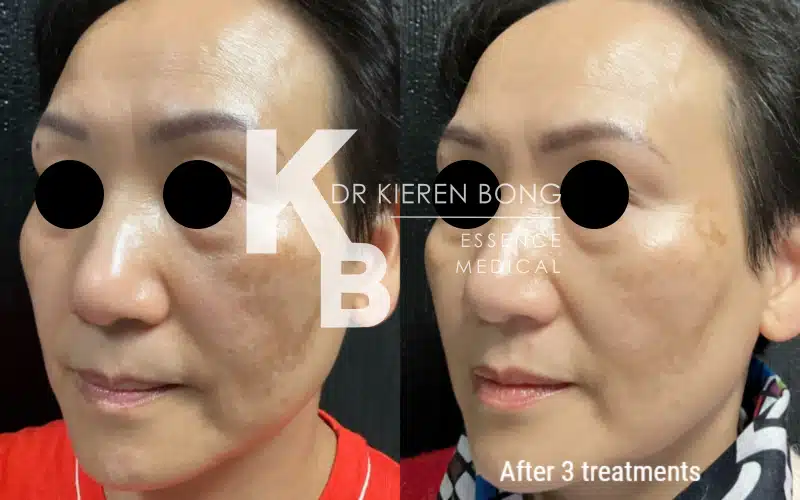
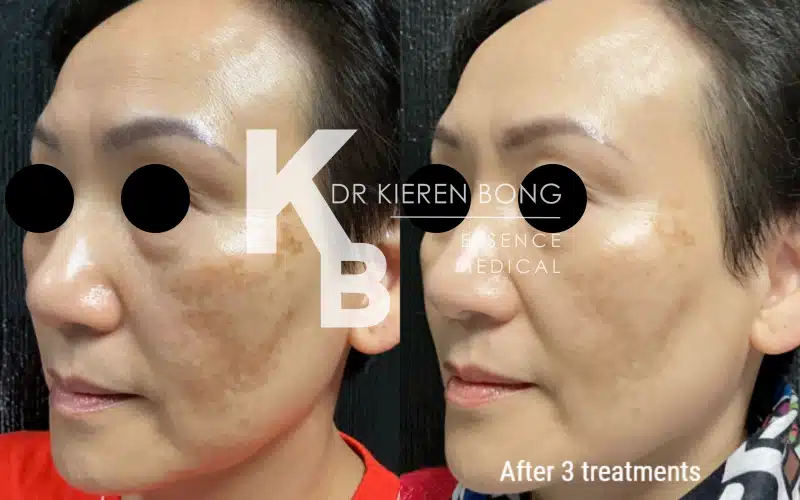
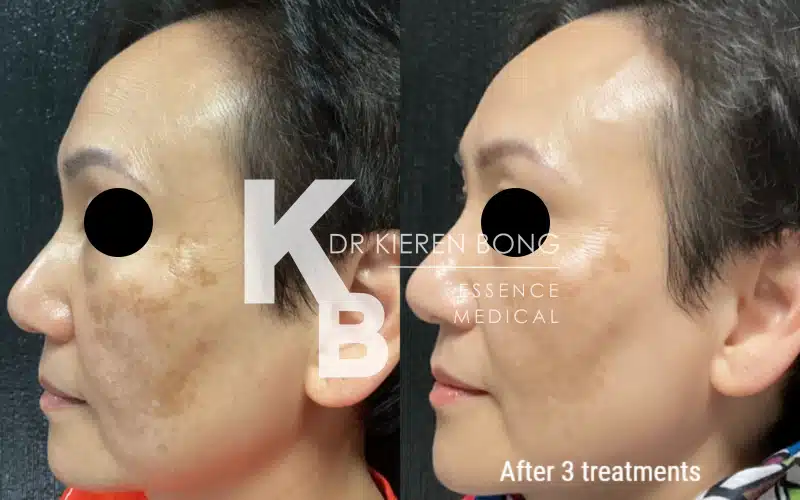
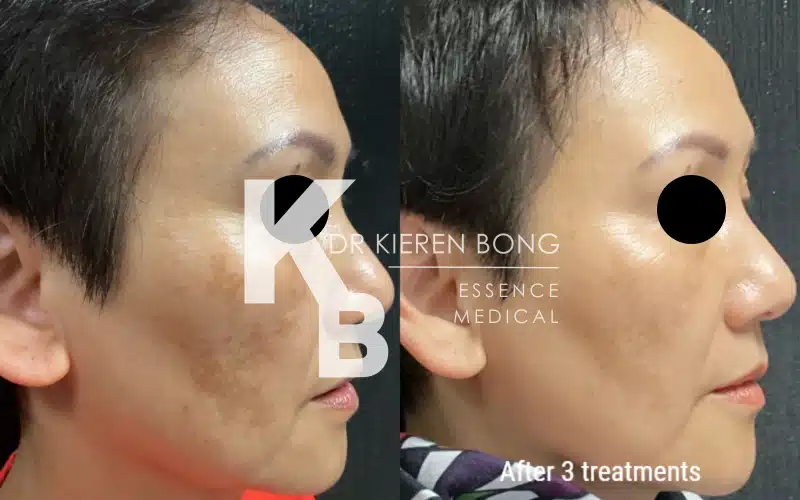
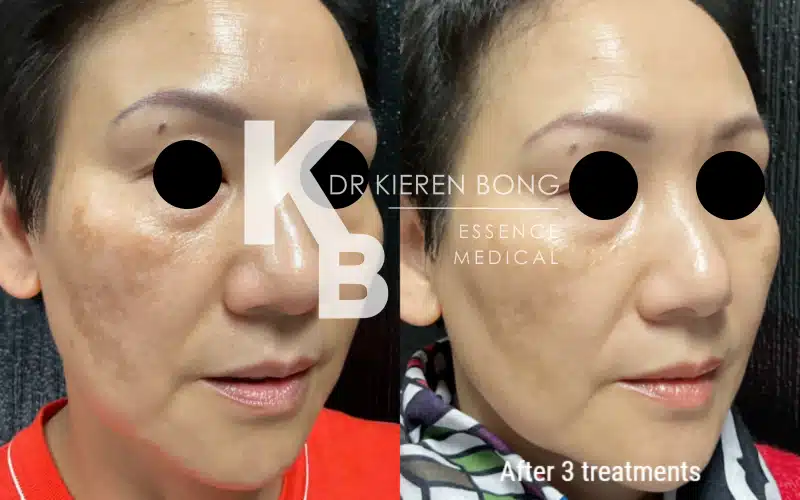
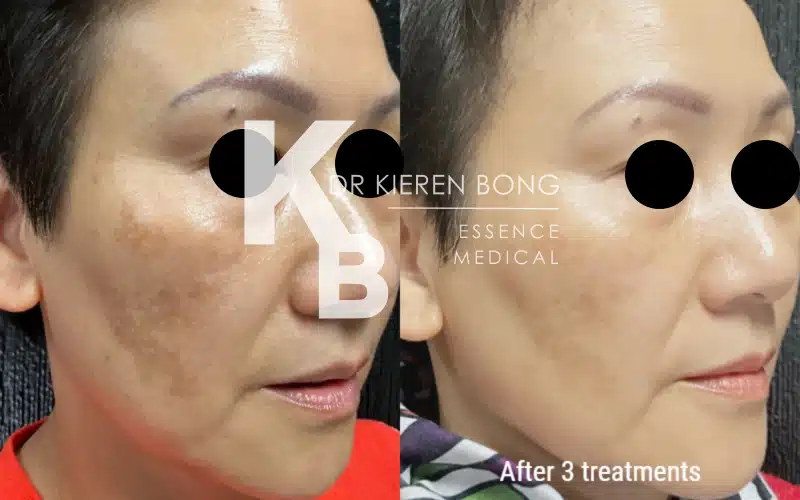


Melasma is a complex pigmentation condition caused by a combination of excess pigment production, inflammation, vascular activity and skin sensitivity. In melasma, the pigment-producing cells, known as melanocytes, become overactive and produce too much melanin. This pigment can sit in the upper layers of the skin and, in some cases, move deeper, making it more difficult to treat.
Common triggers and contributing factors include:
- Hormonal changes
Including pregnancy, oral contraceptives, HRT and, in some patients, thyroid-related factors. - UV exposure
Even small amounts of sun exposure can maintain or worsen melasma. - Visible light
High-energy visible light may contribute to pigmentation, particularly in some skin types. - Heat exposure
Saunas, hot yoga, steam, cooking heat and warm environments can trigger flare-ups in some patients. - Skin inflammation
Irritation from strong skincare, acne, eczema, rosacea or underlying redness can make pigmentation more reactive.
Melasma tends to relapse because the skin can remain “primed” to produce pigment when exposed to triggers. This is why successful management usually requires both carefully selected in-clinic treatments and a consistent maintenance plan at home.
Pigmentation-prone skin can be very reactive. Any treatment that creates excessive heat, irritation or inflammation may trigger post-inflammatory hyperpigmentation, also known as PIH.
PIH is not the same as melasma, but it can look similar and may make existing pigmentation appear darker or more widespread. This is why melasma and hyperpigmentation must be treated carefully, especially in patients with darker or more melanin-rich skin.
Treatments that may carry a higher risk of PIH in some patients include:
- Aggressive energy-based treatments
High-intensity devices used too strongly can overstimulate sensitive skin. - Unsuitable laser settings
Certain lasers may worsen pigmentation if used on the wrong skin type or with inappropriate settings. - Overuse of strong acids
Excessive chemical exfoliation or harsh peels can irritate the skin and trigger further pigmentation. - Repeated skin trauma
Picking, friction, scratching or repeated irritation can all contribute to pigmentation flare-ups.
This does not mean these treatments are always unsuitable. However, it does mean that careful patient selection, conservative treatment settings, expert technique and proper aftercare are essential.

Patients with Fitzpatrick Skin Types IV to VI are often understandably cautious about aesthetic procedures, as the risk of post-inflammatory hyperpigmentation can be higher in melanin-rich skin.
Sylfirm MELASMA may be considered for suitable patients because radiofrequency energy does not primarily rely on directly targeting pigment in the way some laser treatments do. However, safe and effective treatment still depends on careful assessment and correct technique.
Important factors include:
- Accurate diagnosis
It is essential to distinguish between melasma, post-inflammatory hyperpigmentation and other pigment disorders before treatment. - Conservative treatment settings
Needle depth, energy level and treatment parameters must be carefully selected for the patient’s skin type and pigmentation risk. - Avoiding treatment during active irritation
Treatment should not be carried out if the skin is inflamed, irritated or affected by active dermatitis. - Strict aftercare
Sun protection and visible light protection are essential, especially for patients prone to pigmentation.
If you have a history of PIH or your pigmentation has worsened after previous procedures, please tell Dr Kieren Bong during your consultation. In some cases, a test patch or a more gradual treatment plan may be recommended.
No. Sylfirm MELASMA radiofrequency microneedling is not a laser treatment. It uses radiofrequency energy delivered through ultra-fine microneedles, rather than laser light.
This difference is important, especially when treating melasma and hyperpigmentation. Some laser treatments work by targeting pigment directly, which can sometimes create heat, irritation or inflammation in pigment-prone skin. In certain patients, this may worsen pigmentation or trigger post-inflammatory hyperpigmentation.
Sylfirm X works differently. Instead of simply attacking surface pigment, it delivers controlled radiofrequency energy into the skin to help address some of the underlying factors involved in melasma, including abnormal vascular activity, inflammation and weakness of the basement membrane.
By supporting repair of the basement membrane, Sylfirm X may help reduce the movement of pigment into deeper layers of the skin, where melasma becomes more difficult to treat. This makes it a valuable option for selected patients whose pigmentation requires a more careful and medically considered approach.
Dr. Bong’s expertise goes beyond just theoretical knowledge; his proficiency lies in his novel application of the Sylfirm radiofrequency device. He adopts a ‘tunable’ approach, customising treatments by adjusting needle depth, power, and exposure time according to the area and desired outcomes.
His innovation doesn’t stop here! He skillfully reduces discomfort, with most patients grading their discomfort level as negligibly low as 0-3 out of 10. This underscores his proficiency and sensitivity and makes his treatment a distinctly pain-free experience, setting him apart in the field.
With Dr Bong’s sophisticated craft and SylfirmX’s cutting-edge technology, a transformative skin rejuvenation journey is just a treatment session away, sparking excitement and hope for a rejuvenated you!
Sylfirm MELASMA may be suitable for patients with stubborn melasma, sun-related pigmentation or post-inflammatory hyperpigmentation who have not achieved satisfactory improvement with creams, skincare or other treatments.
It can be particularly valuable for patients with pigment-prone skin, as Sylfirm MELASMA uses radiofrequency energy rather than directly targeting pigment with laser light. This may make it a more suitable option for a wider range of skin types, including darker skin tones, following careful assessment.
Suitability depends on several factors, including:
- The type of pigmentation you have
Melasma, post-inflammatory hyperpigmentation and sun damage can look similar but may require different treatment strategies. - Your skin type and pigmentation risk
Patients with darker or more reactive skin require especially careful treatment planning. - Your previous treatment history
It is important to understand what you have tried before and whether any treatments have worsened your pigmentation. - The current condition of your skin
Active irritation, inflammation or dermatitis may need to be settled before treatment begins.
The best way to know whether Sylfirm MELASMA is appropriate for you is through a face-to-face consultation with Dr Kieren Bong. He will assess your skin carefully, discuss your concerns and recommend a treatment plan designed around your pigmentation pattern, skin type and long-term goals.
One of the key advantages of Sylfirm MELASMA is that the treatment is generally gentle and well tolerated, which is particularly important when treating pigmentation-prone skin.
At Essence Medical in Glasgow, your treatment will be carefully planned and performed using Dr Kieren Bong’s bespoke Sylfirm MELASMA protocol. The Sylfirm X handpiece is passed over the targeted areas, delivering controlled radiofrequency energy through ultra-fine microneedles.
Most patients describe the sensation as light pressure with a mild warming feeling. A full-face treatment is usually relatively quick, and downtime is minimal. You may experience mild redness for a few hours after treatment, but many patients are able to return to normal daily activities shortly afterwards.
This gentle, controlled approach is especially valuable for melasma, where avoiding unnecessary heat, trauma and inflammation is essential.
Your Sylfirm MELASMA treatment journey begins with a face-to-face consultation with Dr Kieren Bong, where your skin will be carefully assessed and your pigmentation concerns, treatment goals and suitability will be discussed.
Thanks to the advanced design of Sylfirm X technology and Dr Bong’s refined technique, numbing cream is usually not required. During treatment, the Sylfirm X handpiece is passed over the targeted areas, delivering controlled microneedling and radiofrequency energy into the skin.
Treatment is generally quick and well tolerated, usually taking approximately 15 to 30 minutes, depending on the size and number of areas being treated.
After treatment, you may notice mild redness or slight swelling, which typically settles within the same day. Most patients are able to return to normal daily activities shortly afterwards.
For the best results, a course of treatments spaced several weeks apart is usually recommended. Dr Bong will advise on the most appropriate treatment plan based on your skin type, pigmentation pattern and response to treatment.
In Dr Kieren Bong’s hands, Sylfirm radiofrequency treatment for melasma and hyperpigmentation is generally very well tolerated, with minimal downtime for most patients.
Common temporary effects may include mild redness, slight swelling, warmth or minor tenderness in the treated area. These effects usually settle within the same day.
As with any medical aesthetic procedure, there are potential risks. Less common side effects may include prolonged redness, acne flare-up, post-inflammatory hyperpigmentation, infection or, very rarely, scarring. These risks are uncommon when treatment is performed appropriately by an experienced medical practitioner using carefully selected settings.
Because melasma and pigmentation-prone skin can be reactive, correct patient selection, conservative treatment parameters and proper aftercare are essential. Dr Bong will provide clear post-treatment instructions to help minimise risk, support healing and optimise your results.
Good aftercare is essential after Sylfirm radiofrequency treatment for melasma and hyperpigmentation, particularly because pigmentation-prone skin can be more reactive.
After treatment, you should keep the treated area clean and avoid harsh skincare products, exfoliating acids, retinoids or active ingredients until advised that it is safe to restart them.
Daily sun protection is extremely important. A high-protection broad-spectrum sunscreen should be applied every day, and direct sun exposure should be avoided wherever possible. For melasma, visible light protection may also be recommended as part of your long-term maintenance plan.
For the first few days after treatment, we also recommend avoiding strenuous exercise, excessive sweating, saunas, steam rooms and direct heat exposure.
Dr Kieren Bong will provide clear aftercare instructions tailored to your skin and treatment plan to help minimise side effects and support the best possible outcome.
Melasma is a complex and persistent pigmentation condition, so most patients should not expect significant improvement after just one session. Results usually develop gradually over a course of treatments.
A realistic timeline may include:
- 1 to 2 weeks after treatment
The skin may feel smoother and calmer, although pigmentation changes are usually still subtle at this stage. - 4 to 8 weeks after treatment
Some patients may begin to notice early softening of pigmentation and a more even-looking complexion. - After 3 to 5 sessions
Many patients begin to see more noticeable improvement, particularly in uneven tone, background redness and overall skin clarity.
Melasma may be superficial, deeper within the skin, or a combination of both. Deeper pigmentation usually takes longer to improve and may not clear completely.
For this reason, Sylfirm MELASMA treatment for melasma is best viewed as a way to improve, reduce and control pigmentation rather than permanently remove it.
Results from Sylfirm radiofrequency treatment for melasma and hyperpigmentation usually develop gradually. Some patients may notice early improvements in skin texture, smoothness and overall radiance within the first week, but pigmentation changes typically take longer.
As the skin’s natural repair and remodelling processes continue, further improvement in tone, clarity and pigmentation may become more noticeable over the following 8 to 12 weeks, particularly after a course of treatments.
The longevity of results varies from patient to patient and depends on factors such as skin type, melasma triggers, sun exposure, hormonal influences, skincare routine and maintenance treatment.
Because melasma is a chronic and relapsing condition, results are best maintained with good sun protection, appropriate skincare and ongoing maintenance. For many patients, maintenance treatments every 6 to 12 months may be recommended to help sustain and enhance the benefits.
For best results, a course of 3 to 6 Sylfirm MELASMA treatments is usually recommended, with sessions spaced approximately 4 to 8 weeks apart.
The exact number of treatments required will depend on several factors, including the severity of your melasma or hyperpigmentation, your skin type, your pigmentation pattern and how your skin responds to treatment.
Because melasma can be persistent and prone to relapse, maintenance treatments may be recommended annually or as needed to help sustain your results and keep pigmentation under better control.
Sylfirm MELASMA can help reduce the appearance of patchy pigmentation, improve overall skin tone and calm background redness in suitable patients. However, melasma is a complex and relapsing condition, so treatment should be viewed as a way to improve and control pigmentation rather than permanently cure it.
Your results will depend on several factors, including the depth of the melasma, your skin type, hormonal influences, lifestyle triggers, sun and visible light exposure, and how consistently you follow your maintenance plan.
If you are considering Sylfirm MELASMA, a face-to-face consultation with Dr Kieren Bong is essential. This allows him to confirm the diagnosis, assess your skin type and pigmentation pattern, identify possible triggers and create a personalised treatment plan with appropriate settings and skincare advice.
Sylfirm radiofrequency treatment may not be suitable, or may need to be postponed, in certain circumstances. This will be discussed carefully during your consultation with Dr Kieren Bong.
Treatment may need to be avoided or delayed if you:
- Are pregnant or breastfeeding
Melasma is common during pregnancy, but device-based treatments are usually deferred until after pregnancy and breastfeeding. - Have an active skin infection
This includes active cold sores or any infection in the area being treated. - Have active eczema, dermatitis or skin barrier damage
The skin should be calm and healthy before treatment to reduce the risk of irritation or pigmentation flare-up. - Are using isotretinoin or have used it recently
Suitability will depend on timing, dose and clinical judgement. - Have a tendency to poor wound healing
Patients with delayed healing or certain medical conditions may require additional caution. - Have certain medical implants or devices
Suitability will depend on the type of implant, the treatment area and device safety guidelines.
A face-to-face consultation is essential to ensure that Sylfirm MELASMA is appropriate for your skin, medical history and pigmentation concerns.
The differentiation in Dr Bong’s approach extends to maximising patient comfort. His technique significantly reduces discomfort, with most patients reporting minimal pain, rating their discomfort between 0-3 on a scale of 10. This exceptional patient experience further underscores Dr Bong’s skill and sensitivity, distinguishing his practice from others in the field.
In Dr Bong’s hands, topical anaesthetic cream is not necessary at all.
The cost of Dr Bong’s exclusive Sylfirm MELASMA treatment varies depending on the area being treated. To receive a precise quote tailored to your needs, a face-to-face consultation with Dr Bong is essential. During this consultation, he will assess your skin and provide a detailed cost estimate.
While the initial prices might seem high, it’s important to consider the value offered by Dr Bong’s extensive expertise in radiofrequency treatments. He utilises more advanced settings and targets varying skin depths for optimal results. Typically, most clinics delegate this type of treatment to beauty therapists who are limited to basic settings. However, at Essence Medical, Dr Bong personally administers the Sylfirm MELASMA treatment, ensuring not just the effectiveness of the procedure but also providing top-tier care and expertise.
Below are the guide prices for treatments on the face:
- Small localised areas – from £400 per treatment
- Large more extensive areas – from £500 per treatment
We accept cash or the following major credit and debit cards. We do not accept personal cheques.

Yes. A face-to-face consultation is an essential part of safe, effective and personalised facial aesthetic treatment.
Facial aesthetics is not simply about choosing a treatment from a menu. Every face is different, and the best results depend on a detailed understanding of your facial anatomy, skin quality, proportions, expressions, ageing pattern and personal concerns. These important details can only be properly assessed in person.
During your consultation, Dr Kieren Bong will take the time to listen carefully to your concerns, understand what you would like to improve and discuss the type of result you hope to achieve. He will then examine your face and skin thoroughly.
Using his internationally recognised expertise and advanced aesthetic judgement, Dr Bong will formulate a comprehensive treatment plan tailored specifically to you. This may involve one treatment or a carefully planned combination of treatments, depending on your needs, suitability and goals.
An in-person consultation also allows Dr Bong to explain what is realistically achievable, discuss safety considerations, answer your questions and ensure that any treatment recommended is appropriate for your face. This personalised approach is one of the reasons patients trust Essence Medical for natural-looking, balanced and medically led results.
To secure your appointment, we require:
- A valid credit/debit card
- Your contact telephone number
- Your email address
If you are a new patients or you have not been to our clinic for some years, a £50 consultation fee will be taken at the point of making your appointment.
Please note:
- This fee is fully redeemable against any treatment booked within 3 months of your consultation.
- This fee is non-refundable if you cancel with less than 48 hours’ notice (excluding Sunday), arrive late, or miss your appointment.
- It is also non-refundable if you choose not to proceed with treatment or are deemed unsuitable.
If you are an existing patient and have attended the clinic within the last 24 months, no upfront fee is needed, although we will securely store your card details to confirm your appointment. Our cancellation policy still applies.
If your last visit was more than 24 months ago, we reserve the right to take a £50 consultation fee at the time of booking.
Please read our full terms and conditions here.
We respect that your time is valuable, and we appreciate that you understand ours is too.
RUNNING LATE
We kindly ask that you arrive 5 minutes before your scheduled appointment time. Every treatment at Essence Medical is a medical procedure and must be carried out safely, carefully and without being rushed.
If you arrive late, there may not be sufficient time to complete your consultation or treatment to the required clinical standard. Arrivals more than 5 minutes after the scheduled appointment time will be treated as a missed appointment and will need to be rescheduled.
If your appointment is treated as a missed appointment, a £50 no-show fee will apply and will be charged to the card provided at the time of securing your booking. If a consultation fee has already been paid, this fee will be forfeited.
A new appointment may only be offered once the £50 missed appointment fee has been paid.
It is the patient’s responsibility to allow sufficient travel time and to arrive on time. This includes allowing extra time for traffic, parking, roadworks, road closures, public transport delays or any other circumstances that may affect arrival time.
For patients who repeatedly arrive late or miss appointments, we reserve the right not to offer any further appointments at Essence Medical.
HOW TO CANCEL OR RESCHEDULE
Cancellations must be made during opening hours by calling 0141 894 9098. Emails or voicemails outside these times will not be accepted.
Please read our full terms and conditions here.
To help our patients minimise the chance of losing their deposit or pre-paid treatments, and as a courtesy service, we send text reminders 48+ hours before appointments. However, technical issues can occur, and reminders are not guaranteed.
It remains the patient’s responsibility to note down, remember and attend their appointment at the scheduled time. Our cancellation and missed appointment policy applies regardless of whether a reminder has been received.
No. Your consultation is a dedicated appointment for Dr Kieren Bong to listen to your concerns, carry out a thorough face-to-face assessment and formulate a personalised treatment plan.
Facial aesthetic treatment should never be rushed or added on casually at the end of a consultation. The consultation allows Dr Bong to assess your face, skin, anatomy, suitability, expectations and safety considerations before recommending the most appropriate approach.
For this reason, there will be no treatment carried out on the same visit as your consultation. A separate treatment appointment will be arranged once your treatment plan has been discussed and confirmed.
This policy applies to all patients, including those travelling from outside Glasgow. We therefore advise patients to plan their visit with this in mind.

Achieve Your Best Look: The Growing Trend of Men’s Skincare and Beauty Standards with Expert Insights

Polynucleotides Injectables: The Future of Aesthetic Trends in 2025
